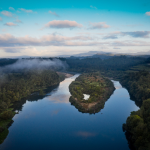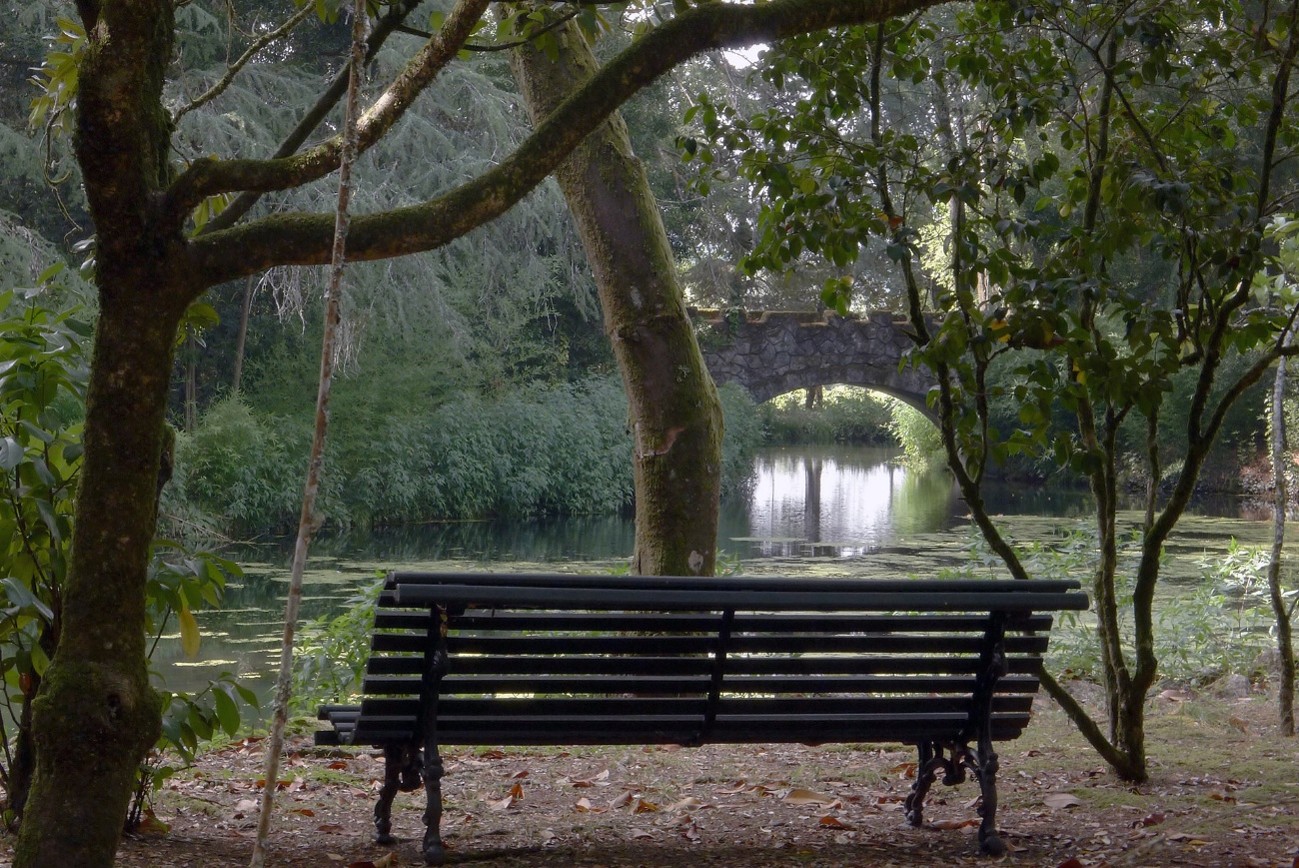
A palace in Monção, a lake with a grotto in Ponte de Lima and a Galician estate among camellias, vineyards and olive groves. These gardens reveal the tastes and ways of life of different periods, offering another way to discover the landscape and heritage of Portugal and Galicia.
In November, the layout of the paths, the trees and the relationship between gardens and buildings make a visit worthwhile, even outside the main flowering seasons. This route links three historic estates and continues through Tomiño’s green spaces.
Brejoeira: exploring the landscape of a historic estate
In Monção, the Palácio da Brejoeira, built between 1806 and 1834, stands within an estate shaped by successive changes. After Pedro Maria da Fonseca Araújo purchased the estate in 1900, a park designed by landscape gardener Jacinto de Matos was created.
The Programa Património heritage tour includes the palace interior, gardens, old wine cellar and chapel, revealing the relationship between the house and its grounds. Check the tour options on the Palácio da Brejoeira website and choose the one that covers the areas you would like to explore.
Villa Moraes: a garden to discover in Ponte de Lima
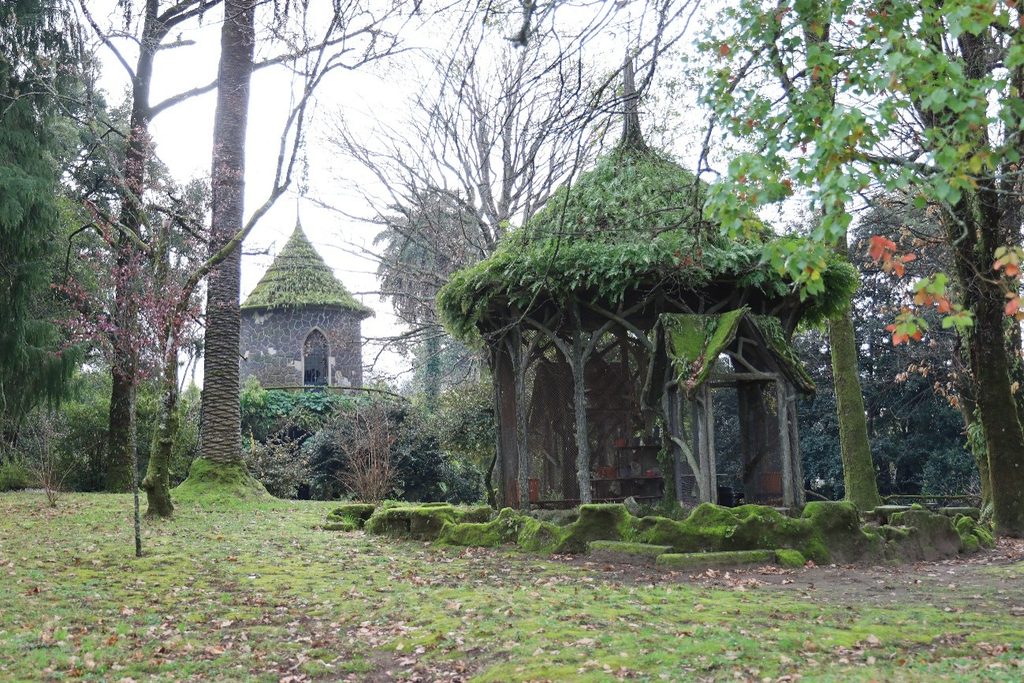
João Francisco de Morais built the mansion in 1907 on land within the former enclosure of the Convento de Santo António. The garden features a small grove with century-old trees, a lake with a grotto and lookout, and the Casa do Castelo beside the greenhouse.
Its proximity to the centre makes it easy to combine a visit with a walk around the town. Before travelling, check access arrangements and opening times with Ponte de Lima’s tourist information services.
Pazo de Pegullal: gardens, camellias and farmland
In Salceda de Caselas, the Pazo de Pegullal forms part of the Camellia Route, combining an 18th-century manor house with gardens designed by landscape architect Fernando Caruncho and areas of agricultural production.
Guided tours take visitors through the gardens and vineyards, ending with a tasting of the estate’s Albariño wine and olive oil. They last approximately an hour and a half and must be booked in advance. Camellias are one of the attractions, although flowering varies according to the season and the varieties grown. Check dates and booking conditions on the Pazo de Pegullal tours page.
Camellias: a reason to return
The discovery of camellias can continue beyond the gardens of the Pazo de Pegullal, at exhibitions dedicated to this flower. The events calendar published by Turismo de Galicia lists the II Mostra da Camelia de Ponteareas for 12 and 13 December. Further events throughout 2027 may offer more opportunities to return to the area. Confirm that the event is going ahead, along with its venue and opening times, with the organisers before planning your visit.
Tomiño: continuing through the green spaces
From the gardens of historic estates to public spaces, the route continues in Tomiño. Like other municipalities in the area, it takes part in the Vilas en Flor Galicia programme, which recognises efforts to enhance green spaces, manage them sustainably and involve local communities. Around the Fortaleza de San Lourenzo and Goián beach, environmental restoration connects heritage and leisure spaces with the riverside landscape. It is a place to extend the route along the Minho.
Planning a route between the two banks
Brejoeira and the Pazo de Pegullal can be combined in a cross-border itinerary, provided opening times and bookings allow. Ponte de Lima and Tomiño offer opportunities to extend your exploration, spreading the visits over the time available.
Check opening times, entry arrangements, accessibility and the weather forecast. Plan walks for daylight hours and wear footwear suitable for wet surfaces. Local time in Galicia is one hour ahead of Portugal.
To discover more places, consult Jardins Históricos do Minho, a publication developed by Minho IN with support from the Associação Portuguesa dos Jardins Históricos, featuring around 60 public and private gardens. Find further suggestions to complement your visit in the Rio Minho events calendar.